Fun, realistic, and relatable parenting advice with a side of sarcasm

Paint Free Painting Activities for Low Stress Toddler Fun
Disclosure: As a member of the Amazon affiliate program, we may earn commissions from qualifying purchases via links found in this article at no additional cost to you.
Paint and toddlers sound like a great idea until you are on your hands and knees scrubbing purple splotches off the kitchen floor.
The truth is, toddlers do not need actual paint to experience the joy of creating art. They need textures, colors, and the freedom to explore. So what if your toddler could paint outside with just a bucket of water? What if they could make colorful masterpieces using ice cubes or shaving cream?
These activities exist, they work, and they require almost zero prep time. Here are a few no-paint painting ideas that let your toddler create freely while you stay relaxed and mess-free.
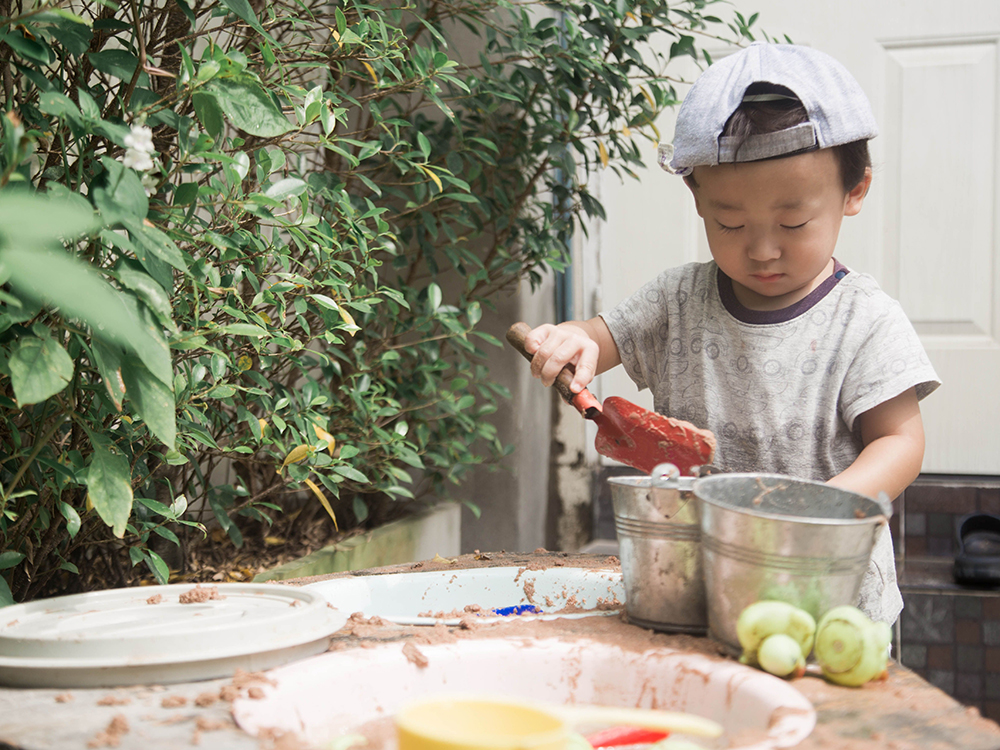
1. Mud Painting in the Backyard
Mix dirt and water in a bucket until it becomes smooth mud, then give your toddler a brush and let them paint on rocks, cardboard, or outdoor surfaces.
Mud painting is primal, messy in the best way, and completely washable. A good mud kitchen also is a great asset here. Toddlers love mud because it feels wild and parent-approved at the same time. You control the consistency by adjusting the water-to-dirt ratio. Thicker mud works like paste. Thinner mud behaves more like watercolor. Both are fun.
Best tools and surfaces: Use cheap paintbrushes or let them finger paint directly. Large rocks, flattened cardboard boxes, or scrap wood make great painting surfaces. You can also let them paint the side of a plastic storage bin or outdoor toys.
Set this up in the backyard or at a park. When they are done, hose everything down, including your toddler. Mud washes off skin, clothes, and surfaces without staining.
2. Water Painting on Pavement or Fences
Hand your toddler a paintbrush and a cup of water, and suddenly your driveway becomes a canvas.
Water painting is the simplest mess-free art activity that exists. Toddlers dip brushes into water and paint on concrete, wooden fences, outdoor furniture, or sidewalks. The water darkens the surface, creating visible brush strokes and designs. As it dries, the art disappears, and they start over.
Best surfaces for water painting: Concrete driveways and sidewalks dry slowly and show contrast well. Wooden fences and decks darken beautifully with water. Chalkboards outside create bold, dramatic strokes that toddlers love watching appear and vanish.
The only supplies you need are a bucket of water and any paintbrush. Foam brushes, old kitchen brushes, or even sponges work perfectly. Set it up outside, step back, and let them go.
This activity works in any weather above 60 degrees and takes 30 seconds to set up.
3. Ice Cube Painting on Paper
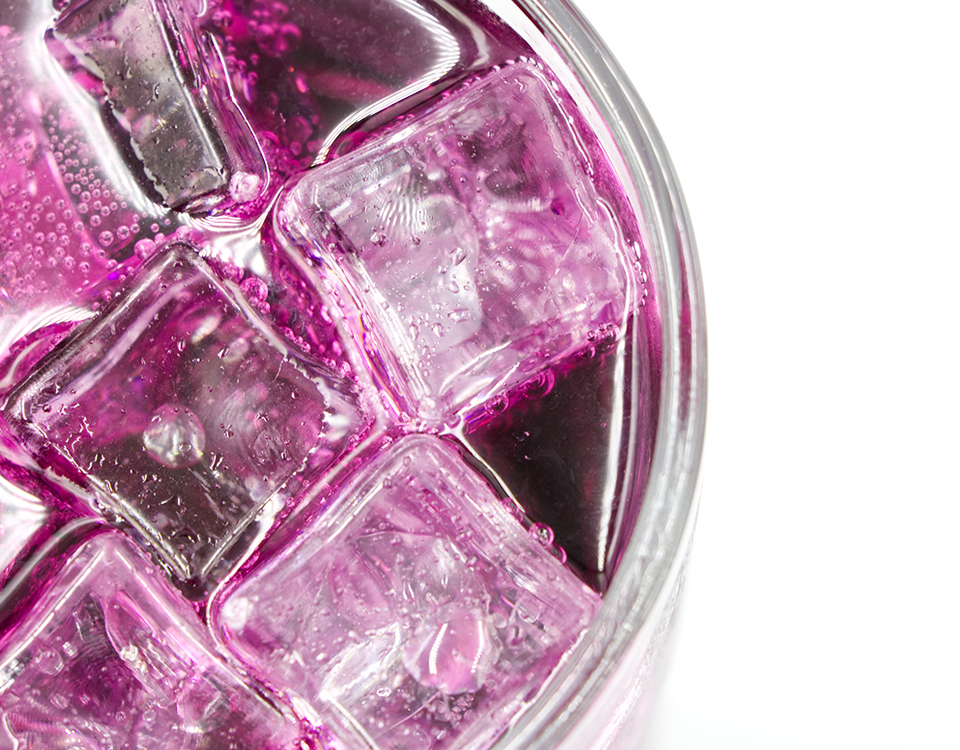
Freeze water with a few drops of food coloring, stick a popsicle stick in each cube, and you have toddler-friendly paint that melts away.
Ice painting gives toddlers the sensory experience of cold, wet, and colorful all at once. They hold the popsicle stick like a crayon and drag the ice across thick paper or cardboard. The food coloring leaves streaks of color as the ice melts. You can make a single color or an entire rainbow set depending on how much prep time you have.
The mess stays on the paper because the ice melts slowly. Any drips dry quickly or wipe up with one paper towel. Toddlers love this because the ice feels interesting in their hands and the colors appear like magic.
4. Shaving Cream Art on a Table or Tray
Spray a pile of shaving cream on a plastic tray, drop in some food coloring, and let your toddler swirl it into patterns with their fingers.
This is hands-on, squishy, and satisfying for toddlers who love textures. You can add one color or several. Toddlers push the cream around, blend colors, draw shapes, and start over by smoothing it flat again. The activity resets itself without you lifting a finger.
Setup tips: Use a large plastic tray with edges to contain the cream. A cookie sheet, shallow storage bin, or highchair tray all work perfectly. Spray a mound of shaving cream in the center, add three to five drops of food coloring, and hand them a spoon or let them use their hands.
If they eat a tiny bit, shaving cream tastes terrible but is not dangerous. Most toddlers try it once and never again.
Cleanup takes one minute. Win, win.
5. Cotton Swab Dot Painting With Water and Food Coloring
Mix water with a few drops of food coloring in small containers, give your toddler cotton swabs, and let them dot their way across paper.
Dot painting teaches toddlers control and focus while keeping the mess minimal. They dip the swab into colored water and press it onto paper to create dots, lines, or clusters of color. The cotton swab holds just enough liquid to make a mark without dripping everywhere. Toddlers love the repetition of dip, press, repeat.
Why this works so well: Cotton swabs limit how much liquid touches the paper. Small containers like bottle caps, muffin tins, or baby food jars keep the colored water from spilling. Thick paper or cardstock absorbs the water better than printer paper and prevents tearing.
You can set this up at the kitchen table with a plastic tablecloth or placemat underneath. The whole activity feels like painting but behaves like coloring.
This is perfect for toddlers who want to paint indoors without you panicking about the couch.
6. Painting With Chalk on Wet Paper
Wet a piece of construction paper or cardstock with a sponge, then let your toddler draw on it with regular sidewalk chalk.
Wet paper turns chalk into something closer to paint. The colors become richer, smoother, and more vibrant. The water also keeps the chalk from creating as much dust. Once the artwork dries, the colors stay bold and the texture looks almost like watercolor.
You can wet the entire sheet of paper or just parts of it. Different levels of wetness create different effects. Toddlers do not care about the technique. They just love how the chalk behaves differently than usual.
How to set it up: Use a sponge or spray bottle to dampen construction paper until it is wet but not soaking. Lay it flat on a tray or table. Hand your toddler chunky sidewalk chalk and let them draw.
Remember, art does not need to mean paint splattered across your walls or hours of scrubbing brushes in the sink. These activities give toddlers the freedom to create, explore textures, and make a mess that disappears with water or a quick wipe down.
The best part is how simple they are to set up. Most use items you already have at home and take less than two minutes to prepare. That is the sweet spot every parent is looking for.
The content written on this website is for entertainment purposes only and is not meant to be taken as medical or professional advice. For questions or concerns, please contact us.