Fun, realistic, and relatable parenting advice with a side of sarcasm


9 Easy Calming Activities for Toddlers That Actually Work
Disclosure: As a member of the Amazon affiliate program, we may earn commissions from qualifying purchases via links found in this article at no additional cost to you.
When the day starts to feel like chaos, sometimes what toddlers (and parents!) need most is a moment to slow down. Calming activities for toddlers can help little ones reset their emotions, build self-regulation skills and find comfort through play. But if you’re feeling overwhelmed on where to even begin, here’s a list of easy sensory activities that can help calm your little one. And you!
1. Storytime sessions and books
Reading aloud to toddlers can be a profoundly calming experience for both the child and parent. I remember feeling like my young child was barely paying attention when she was a little baby. But I kept going and kept it part of our daily routine. And it’s important to do so because there are several benefits to reading to your child.
For example, storytime nurtures language development and emotional connection, without overwhelming sensory input. You may be thinking, “My toddler won’t sit still for a story!” But give it a try. If they’re being squirmy, just pick a book and start reading out loud. More than likely, they will start to join you. They generally want to be involved in whatever you’re doing. Having books with fun textures or flaps may be helpful to get them engaged as well.
As a bonus, storytime establishes a valuable daily ritual. It can even be used as a signal to transition to calmer states, like naps or bedtime. Using soft tones when you read aloud will help create a soothing environment.
2. Soft sensory play
Soft sensory play employs textures that promote tactile comfort and gentle exploration. Materials such as fluffy pom-poms, soft fabric scraps or smooth wooden blocks offer varied sensations while soothing your little one. Guiding toddlers to touch and manipulate these materials encourages curiosity and concentration.
Introducing subtle scents like lavender or vanilla can enhance the multisensory experience. However, if scent is not your thing, you an also pair the experience with music. A few examples of soft sensory play include:
- Baskets of pom poms with scoops and tongs
- Bins of soft felt, fabric squares and pipe cleaners
- Crinkled tissue paper with toy animals
- Toy cars with whipped cream or cool whip
- Dry pasta with cooking utensils
3. Calm yoga and stretching
Introducing toddlers to basic yoga poses and gentle stretching supports physical relaxation while encouraging body awareness. Tailored for young children, these activities involve simple, playful movements that engage their growing muscles. Poses such as “child’s pose” or “cat-cow stretch” can be good choices for your little one.
You can mix in some added fun that will appeal to your toddler, like pretending to be animals during poses. As a parent, the stretching may also bring a welcome break as well. This exercise can also be easily implemented as part of a morning routine.
4. Nature walks and rock searches
Many toddler parents can agree that going outside serves as somewhat of a “reset” button for your toddler. It’s safe to say that spending time outdoors has an inherently calming effect on toddlers by providing fresh air, gentle stimulation and opportunities for observation.
During these excursions, caregivers can support toddlers by naming elements in nature. If your toddler prefers to walk, adding in some rock finding adventures can also help make it more interesting. Although, you’ll want to keep a close eye on them if they’re prone to putting any rocks in their mouth.

5. Simple art projects
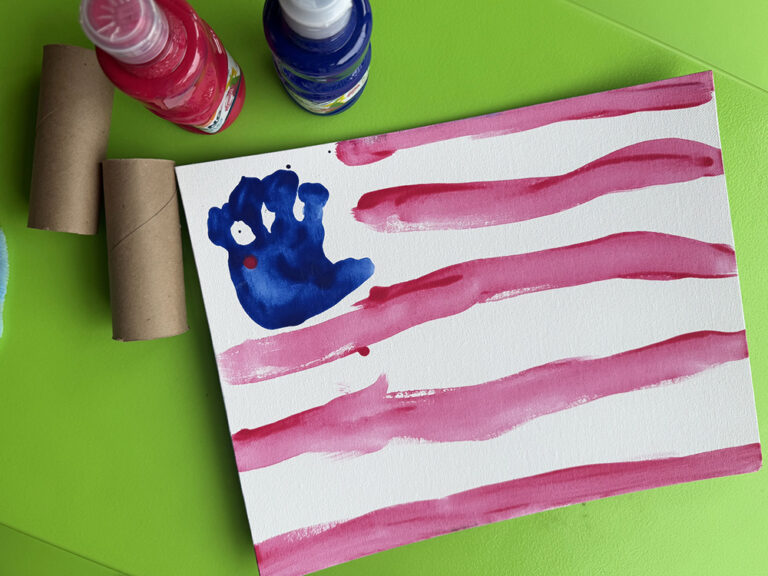
Engaging toddlers in uncomplicated art projects promotes calm by channeling creativity into tactile, focused activity. Using non-toxic materials like finger paint, crayons or playdough encourages expressive freedom. The process of creating allows toddlers to relax and enjoy sensory exploration.
Of course, painting with a toddler is prone to be messy. I like to keep an old dollar store tablecloth on hand and lay it outside as a clean barrier to help contain any messes. If you need to stay indoors, a mess-free option may be helpful as well.
6. Interactive music
Music tailored to a toddler’s developmental stage can profoundly influence their mood. Singing together nurtures communication skills while pacifying the nervous system.
Interactive elements, such as clapping softly or gently tapping to rhythm, engage toddlers physically and mentally without causing excitement spikes. A few examples of great songs for toddlers include:
- Wheels on the Bus
- Head, Shoulders, Knees and Toes
- Ring Around the Rosie
- The Itsy Bitsy Spider
7. Water play with floating toys
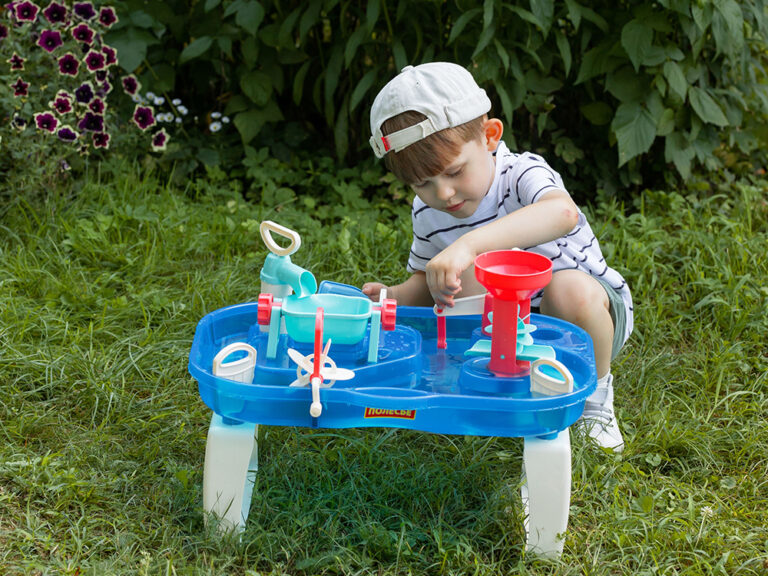
Got a crazy toddler? Just add water. Water play is an easy, calming sensory experience. Introducing floating toys in a shallow basin or bathtub allows toddlers to explore movement, cause and effect and tactile sensation. The sound and feel of water engage multiple senses while fostering concentration and fascination.
Simple games like “splash gently” or “see what floats” maintain engagement without overstimulation. A few ideas for water play include:
- Pour and scoop bins with spoons, funnels and pitchers
- See what floats with rubber ducks, spoons and blocks
- Bubble bins with hand mixers and whisks
- Toy rescue with ice or muffin tins
8. Slow dancing
Slow dancing offers a multisensory experience combining gentle movement, physical closeness and rhythmic patterns. Plus, what toddler doesn’t love being held during the process?
This practice can be seamlessly integrated into end-of-day routines or while you’re making dinner. I find that mixing this in while you’re mixing up dinner recipes can help with the dreaded “witching hour”.
9. Puzzle time
Quiet puzzle time invites toddlers to engage cognitively and visually in a focused activity. Simple puzzles with large, easy-to-handle pieces challenge matching and problem-solving skills in a way that is developmentally appropriate and soothing.
Similarly, you can incorporate busy books and make it a learning experience that the two of you can explore together.
Do you have more calming activities to add to the list? Leave them in the comments below.
The content written on this website is for entertainment purposes only and is not meant to be taken as medical or professional advice. For questions or concerns, please contact us.